The bottleneck is infrastructure
AI compute demand is growing faster than data center supply can respond. For new sites, the limiting factor is often grid access, power availability, cooling density, and interconnection timing.
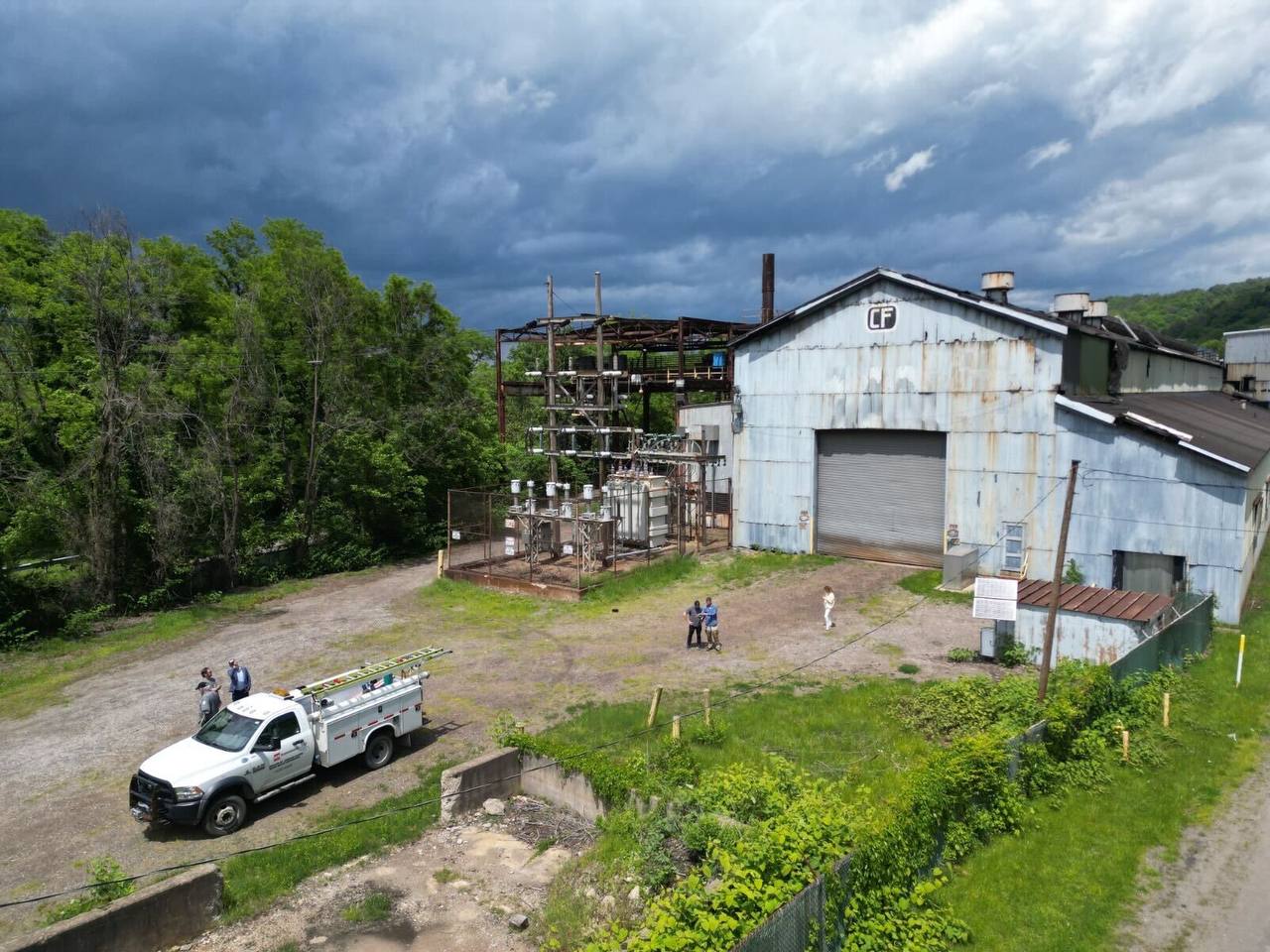
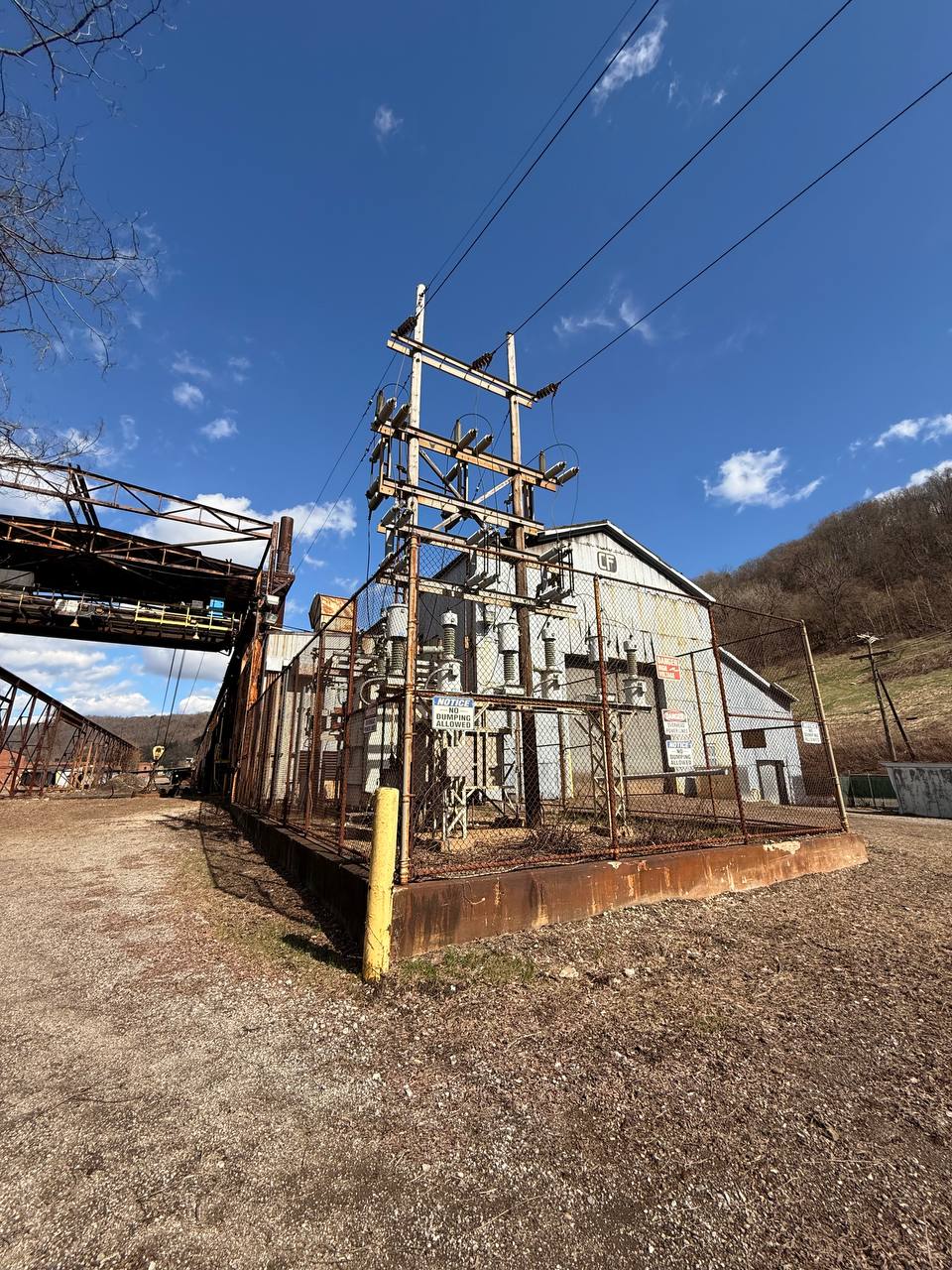
The West Virginia site starts with the hard parts already present: energized high-voltage service, industrial zoning, gas infrastructure, and a site plan that can phase from an initial 10 MW deployment toward a 20–30 MW campus.
Built on industrial bones
The site repurposes brownfield industrial infrastructure for modern energy and compute operations. The investment thesis is focused on speed to power, high-density compute, dispatch flexibility, local industrial reuse, and monetization across both compute and grid services.
Phase 1 targets a 10 MW modular data center system with compute, BESS, on-site backup power, and EMS-controlled dispatch.
Hard assets, measurable advantages
Industrial capacity with a local operating footprint
The West Virginia site is being developed as more than a data center shell. The campus plan includes compute capacity, BESS deployment, power infrastructure, and a path to develop modular power systems on site.
Battery systems are part of the operating model: they support UPS functionality for compute, grid-service participation, and demand response when power prices or grid conditions require curtailment.
Longer term, the facility can support development and assembly of Silicon Foundation power pods and modular compute-and-power systems, creating a practical industrial role for the site beyond hosting GPUs.
Phased buildout
10 MW modular data center system
Compute, BESS, on-site backup power, and EMS-controlled dispatch. The objective is fast initial capacity using existing grid access, modular deployment, and a power architecture that can evolve into standardized power pods.
20–30 MW expansion
Grid feed upgrades, expanded cooling capacity, additional data halls, and on-site generation commissioned from the property’s gas infrastructure.
Compute revenue plus grid services
The operating model is designed around interruptible AI compute and regional grid-market participation. Revenue streams can include compute hosting, capacity-style programs, frequency regulation, demand response, and BESS arbitrage.
EMS-driven dispatch allows the facility to respond to grid signals, power price conditions, backup power requirements, and compute availability in a coordinated way.
End-to-end execution
The EPC scope covers electrical and civil design, interconnection work, 69 kV substation design, procurement, construction management, commissioning, EMS integration, long-term O&M, and warranty.
Infrastructure for energy-backed compute
The West Virginia campus is being developed as a practical bridge between power infrastructure, high-density compute, and market-responsive energy operations.